Why your website gets visitors but no enquiries — and how to change that
It's more frustrating than no traffic at all — people find your website, look around and leave. No call, no email, nothing. The good news is that this problem is more fixable than almost any other, because the causes are remarkably uniform.
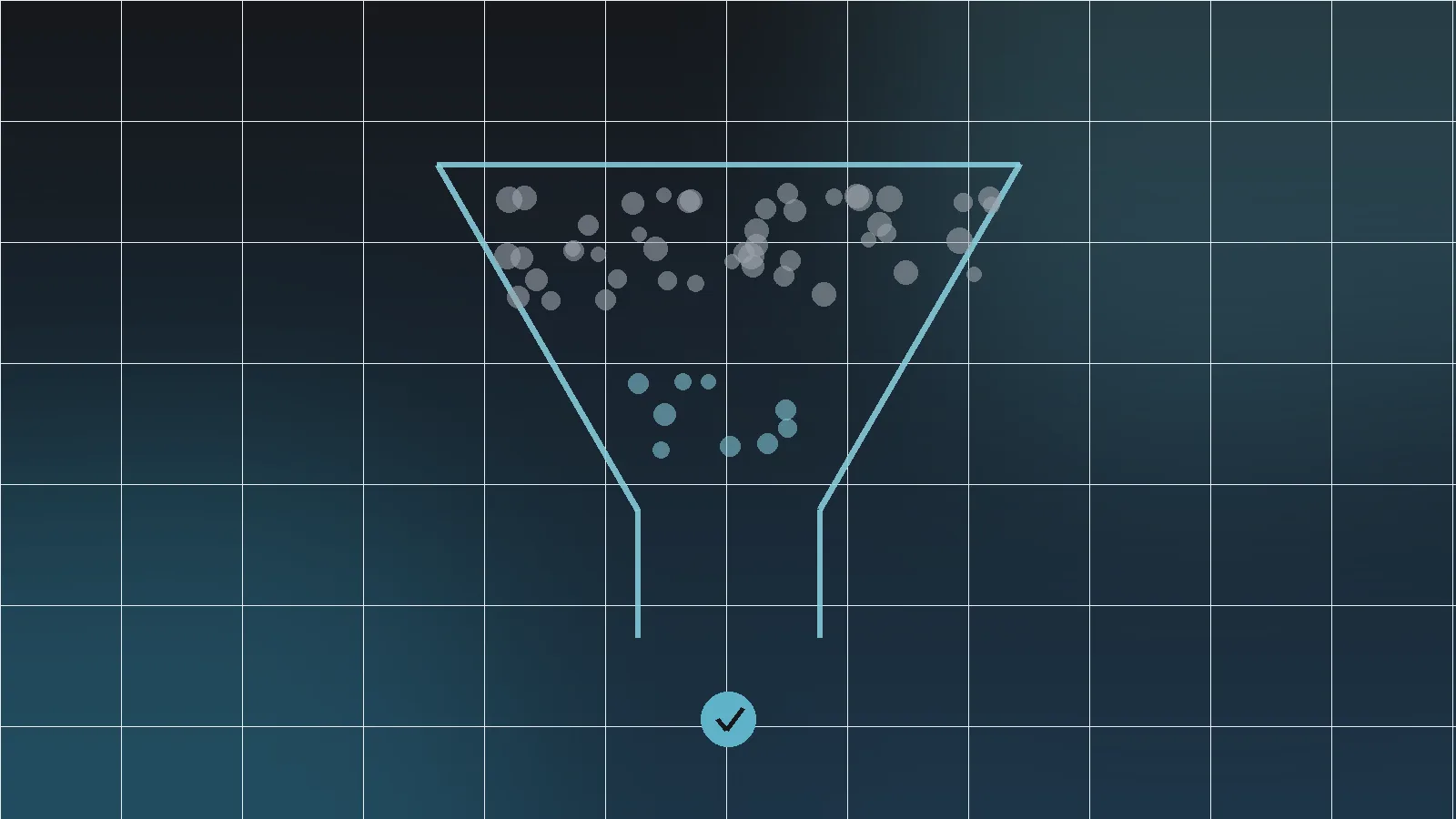
First, let's make sure we're working on the right problem: if nobody comes at all, you have a visibility problem — that's a different article. This one is about the second, sneakier case: visitors yes, enquiries no. The numbers in Google Analytics look decent, but the phone stays silent.
The core problem: your website describes instead of guiding
Most business websites are digital brochures: who we are, since when, a gallery. All true, all nice — and all answering the wrong question. A visitor only asks two things: "Am I in the right place?" and "What should I do now?" If your site doesn't answer the second question, they leave. Not because the offer is bad — because the next step is missing.
Visitors rarely leave websites because information is missing — they leave because nobody tells them what to do next.
The 5 most common enquiry killers
1. No clear action per page. Every page needs exactly one call to action: call, book, or enquire. Not five options, not zero — one. Offer everything and you get nothing.
2. Hidden contact details. The 3-second test: can a stranger find your phone number in three seconds? It belongs visibly in the header — on every page, especially on mobile, where a tap on the number places the call.
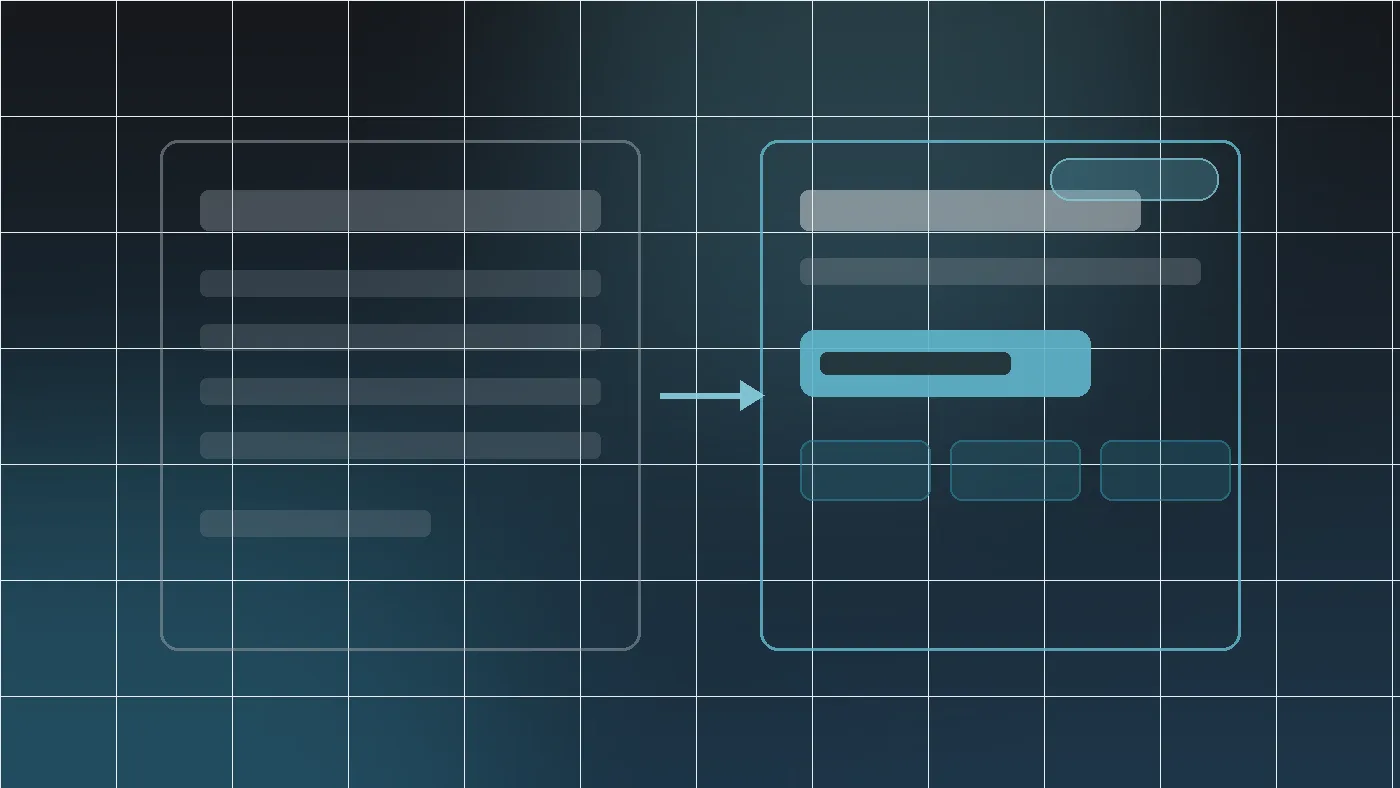
3. "About us" instead of "here's what you get". The first screen decides. It has to say what you offer, for whom — and which problem you solve. The company history can exist, just not as the opening act.
4. Missing trust. An enquiry is an advance of trust. Real photos (no stock material), understandable prices or at least an honest price range, genuine reviews — those are the signals that turn "interesting" into "I'll get in touch". If they're all missing, the visitor stays cautious.
5. Form hurdles. Twelve mandatory fields are an invitation to give up. Name, contact, message — a first contact needs nothing more. Everything else gets clarified in the conversation.
The 5-minute self-test
Open your homepage and pretend you're seeing it for the first time: (1) Do I understand within five seconds what's offered here and for whom? (2) Do I immediately see one clear action? (3) Can I find the phone number in three seconds? Three yeses: your problem lies elsewhere. One no: you now know where to start.
The honest order of operations
Advice that can cost us business, but it's true: fix the enquiry path first, then visibility. Investing in SEO or ads while your website lets visitors evaporate means buying expensive traffic for a leaky bucket. Seal it first, then fill it. Whether your bucket is sealed — and which of the five points applies to you — is exactly what we'll tell you in the free intro call. Even if the answer is: it's sealed, go ahead and invest in visibility.
Not sure what your website should cost?
In 20 minutes you'll know what's possible — and what it costs. Free and non-binding.
Book a free intro call