How long does it take to get a website built? The honest timeline
Ask five providers how long a website takes and you'll get five answers — from "48 hours" to "several months". The confusing part is that both are true. The honest answer depends less on the provider than most people think — and more on one thing that's in your own hands.
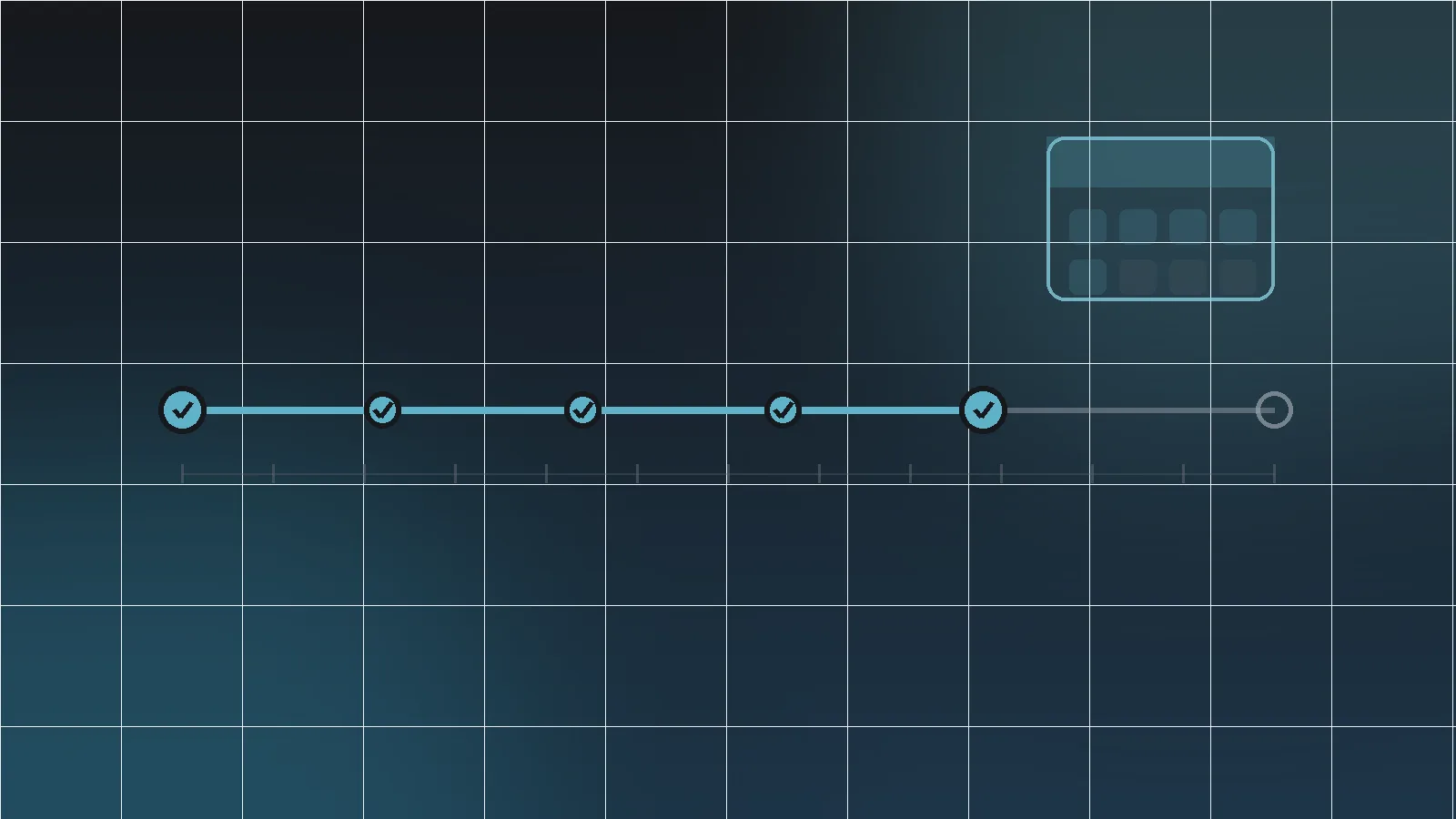
The short, honest answer first: a normal business website (one-pager up to roughly 5–8 pages) takes 2–3 weeks from first call to launch with a well-run provider. Larger custom projects — online shop, booking system, member area — realistically need 4–8 weeks, depending on scope. Anything below or above that deserves a closer look, and that's exactly what we'll do now.
Where the time actually goes
The most surprising fact first: the actual building is rarely the slow part. A typical website project moves through six phases — briefing, design, content, development, feedback, launch. The provider's pure work steps (design, development) are done in days when the brief is clear. The weeks come from somewhere else:
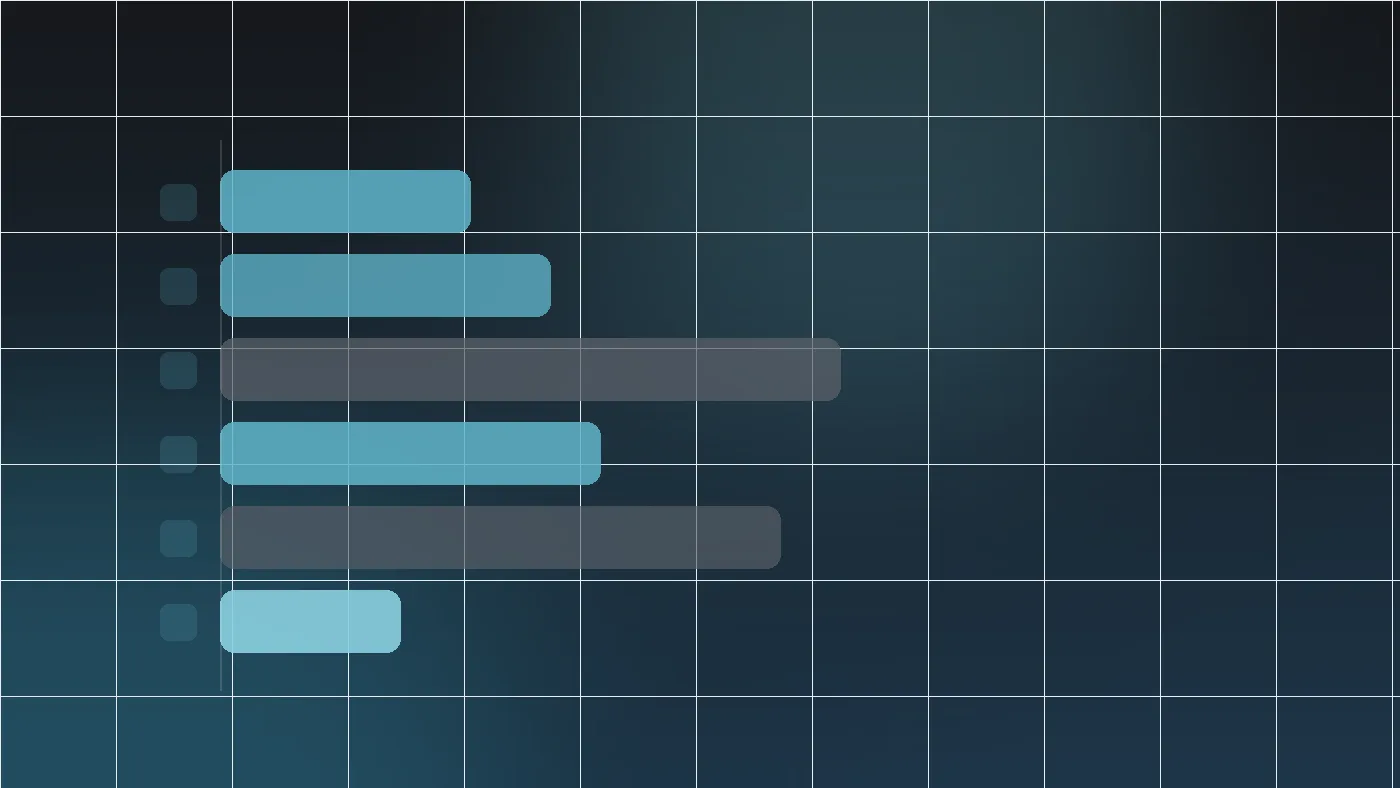
Websites aren't built slowly. They wait — usually for copy, images and feedback.
The biggest time sink is (honestly) often you
This is uncomfortable, but every agency will confirm it off the record: the most common reason projects stretch from three weeks to three months is a waiting provider — waiting for copy that's coming "next week", for photos, for design sign-off, for the opinion of a brother-in-law who "should take a quick look". Four things speed up your project more than any choice of agency:
- Gather material before the project starts: logo, photos, existing copy, access credentials — everything in one folder before kickoff.
- One person decides. Websites voted on by three people take three times as long.
- Bundle your feedback: one list with all change requests instead of seven separate emails over two weeks.
- Agree response times — in both directions. Good providers state theirs; you should state yours too.
Red flags in time estimates
Two extremes should make you pause. "Website in 48 hours" almost always means: builder template with a swapped logo — you don't need an agency for that. And more than three months for a normal business website without a nameable reason (shop, special features, very large content volume) points to a process that isn't under control. A binding timeframe is one of the 7 questions to ask any provider before you sign — "it depends" is not an answer.
Why we can promise 2–3 weeks
Full transparency, because the question is fair: our timeframe doesn't work through templates, but through fixed scope (one fixed price, clearly defined deliverables), one dedicated contact (no handovers between departments), and a process that plans the content phase from day one instead of pushing it to the end. Whether you want to go with a provider at all or build it yourself is settled in the honest DIY-or-professional comparison — and what the timeline would look like for your specific project is what we'll tell you in the free intro call. With a date, not with "it depends".
Not sure what your website should cost?
In 20 minutes you'll know what's possible — and what it costs. Free and non-binding.
Book a free intro call